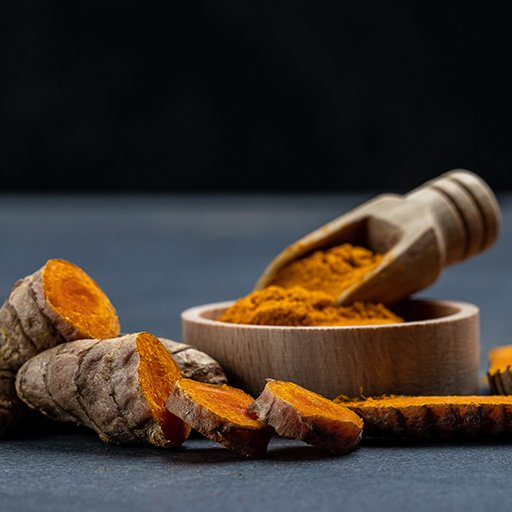
ETHIOPIAN TURMERIC
THE STORY OF TURMERIC
Ethiopia is one of the biggest producers and exporters of turmeric in Africa. The bulk of the Turmeric produced in Ethiopia is consumed domestically. Only a small portion is exported to Neighboring Countries (Sudan, Kenya, Djibouti, and Egypt), Asia, the Middle East, and the USA.
DISTRIBUTION AND CLIMATE
Turmeric is a tropical plant and thrives well from sea level to 1500 m above sea level, at a temperature range of 20–35°C with an annual rainfall of 1500 mm or more. Turmeric production in Ethiopia is mainly concentrated in the southeast part of the country (Sheka, benchmaji and keffa zones) however, recently major ginger producing areas including Wolayta zone shifts the land to turmeric production.
Uses of Turmeric in Ethiopia
Turmeric is well known a component in many Ethiopian dishes (local stew, wot) (Girma et al.,2008aa; Hailemicheal et al., 2008). It has a characteristic flavor and is yellow in color. It is used in culinary preparations, in cosmetics (facial preparation and creams) and ayurvedic drug preparations, antiseptic, and also antiinflammatory.
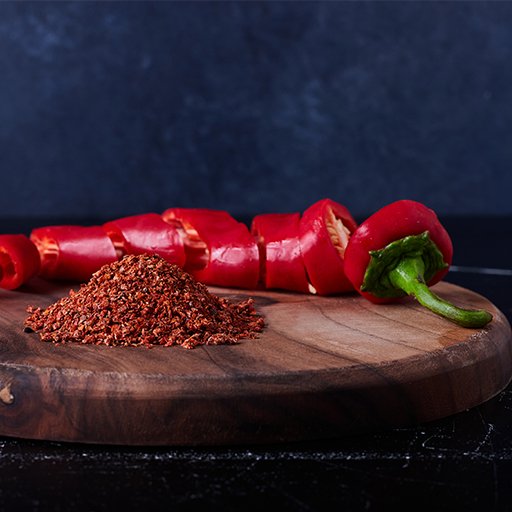
ETHIOPIAN PEPPER
THE STORY OF PEPPER
The total production of pepper in the country for the year 2020/21 Ethiopian main cropping season (Meher) was estimated at 2,959,805.10 quintals. The 2020/21 yield of pepper was very high, around 15.3 qt/ha in the country.
DISTRIBUTION AND CLIMATE
Pepper is an annual crop which grows at an altitude ranging from 1400 up to 2100 m.a.s.l. Peppers are widely grown in various parts of Ethiopia.
USES OF PEPPER IN ETHIOPIA
Pepper fruits are consumed as fresh, dried or processed products, as vegetables, as spices or condiments. The powder from dried ripe fruits of hot pepper is used as spice to flavor ‘Wot’, an Ethiopian stew in a daily traditional meal.
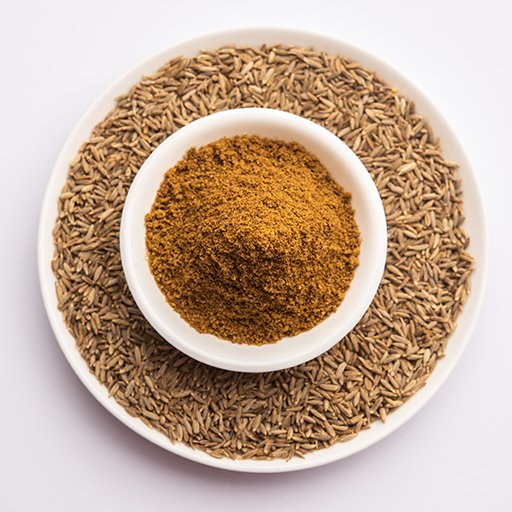
Ethiopian Black Cumin
THE STORY OF BLACK CUMIN
Ethiopian annual average production of Black cumin seed is 14,730 metric tons and the national average of black cumin productivity is 1.428 tons per hectare. The country generated 3.199 million USD in the 2020 crop season from the export of 758 MT cumin seeds in addition to huge domestic consumption.
DISTRIBUTION AND CLIMATE
Black cumin is an annual flowering plant grown as a rainfed crop within 1500 to 2400 masl on heavy black soils (Girma et al., 2015). It is found in different parts of Ethiopia at various altitude ranges it shows there is the existence of genetic diversity of black cumin species.
USES OF BLACK CUMIN IN ETHIOPIA
Black cumin seeds have been used to successfully keep people’s health beginning in ancient times. In Ethiopia, black cumin is used to flavor bread and sauces as well as an ingredient in the berbere(hot pepper) spice mix.
ETHIOPIAN GINGER
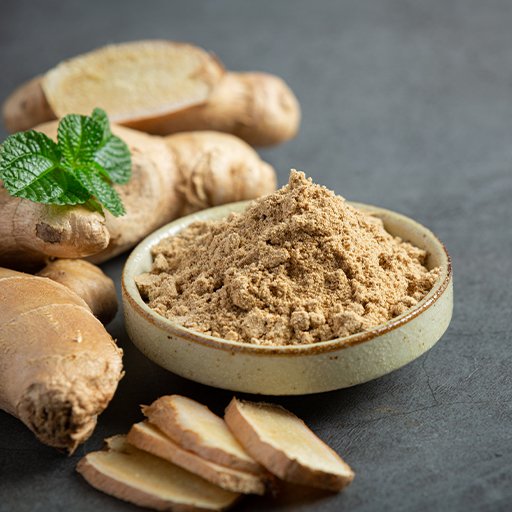
THE STORY OF GINGER
In 2019, over 11,741 metric tons of ginger were produced in Ethiopia. Out of these only, 2 metric tons of ginger were exported. Sudan and Kenya are the main importers of Ethiopian ginger. International trade center’s information shows, from 2015-2019, Ethiopia earned 1,067 million USD by exporting ginger to various countries and ranked 42nd in terms of income. During these years, Ethiopia’s global market share of Ginger was 0.028%.
DISTRIBUTION AND CLIMATE
Ginger is cultivated in many places in Ethiopia. In Ethiopia ginger is cultivated under sub-optimal conditions with rainfall often less than 1500 mm per year and at lower temperatures (Jansen, 1981).
Uses of Ginger in Ethiopia
Ginger is a common ingredient as an appetizer in many Ethiopian foodstuffs. Ginger is also an ingredient in many of the common food served by Ethiopians, Misir wot (spiced red lentil curry), Gomen (Ethiopian collard green), Berbere (Ethiopian spice mix), and Ethiopian spiced tea (Girma et al., 2016).
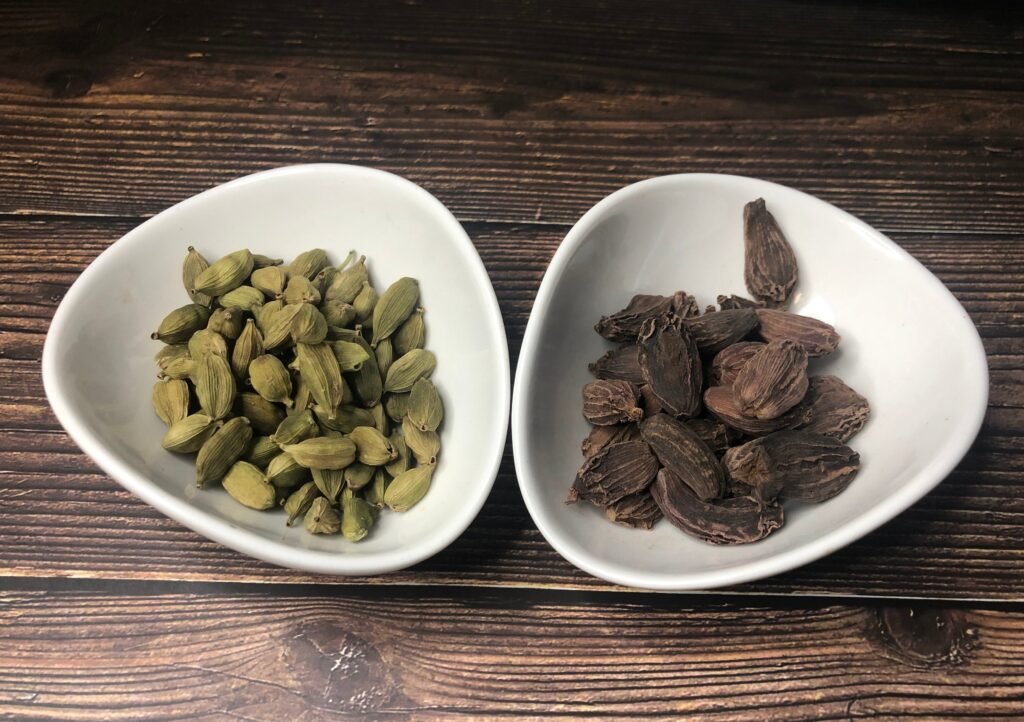
Ethiopian Cardamom (Korarima)
THE STORY OF KORARIMA
The altitudinal distribution of korarima ranged from 1000 to 2000 m above sea level. As an indigenous spice, Aframomum Korarima grew in various parts of the country mainly in Kaffa, Jimma, Bale, South and North Omo, Sidamo, Illubabour, East and West Gojam and Gamugofa, East and West Wollega (Braun, 2011; Simegn et al., 2016; Zakir et al., 2018)
Uses of korarima in Ethiopia
Korarima (Aframomum corrorima) is one of the indigenous important spices used in Ethiopian cuisine and medicinal purposes (Girma et al., 2009b). Korarima seeds (dried or fresh) are used in Ethiopia to flavor all kinds of “wot,” for which they are ground and usually mixed with other spices. Sometimes it is used to flavor a special kind of local food, bread, and butter.